Pictures and Design — Choosing an Image Tool
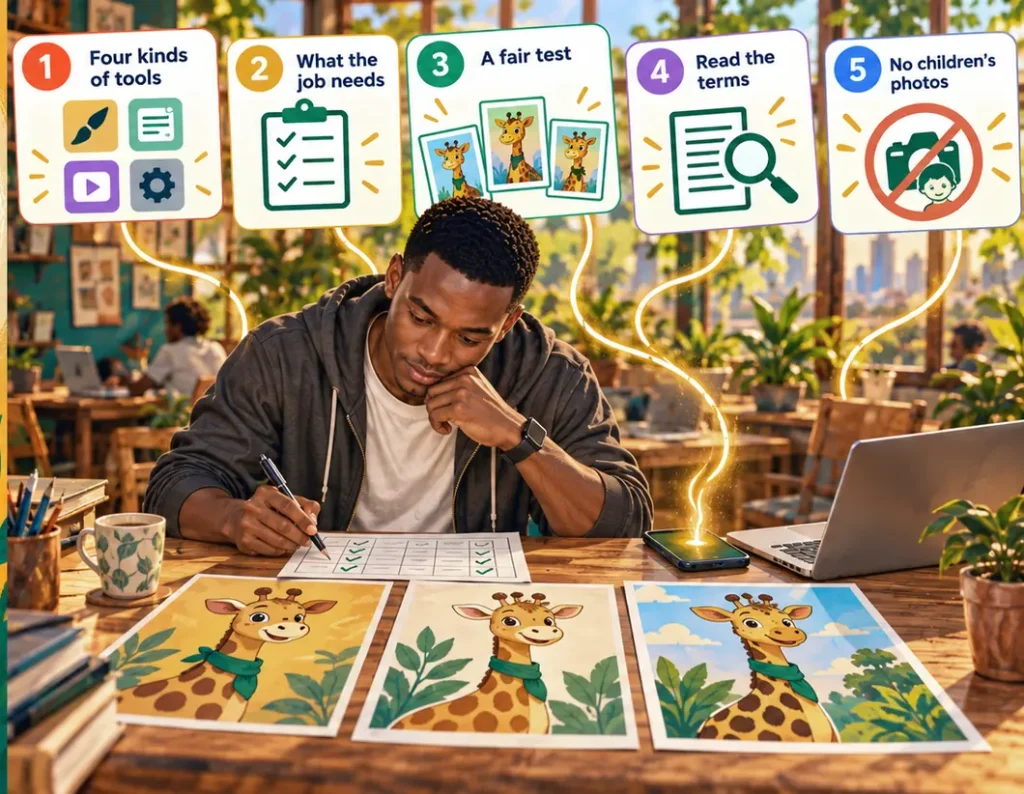
By the end of this chapter you will know the main kinds of image and design tools, what each is good at, and which questions decide between them. You will be able to test several tools fairly with the same brief, score the results, read the terms that matter, and choose the tool that fits the job, the budget and the client.
Moving Pictures — Choosing a Video Tool
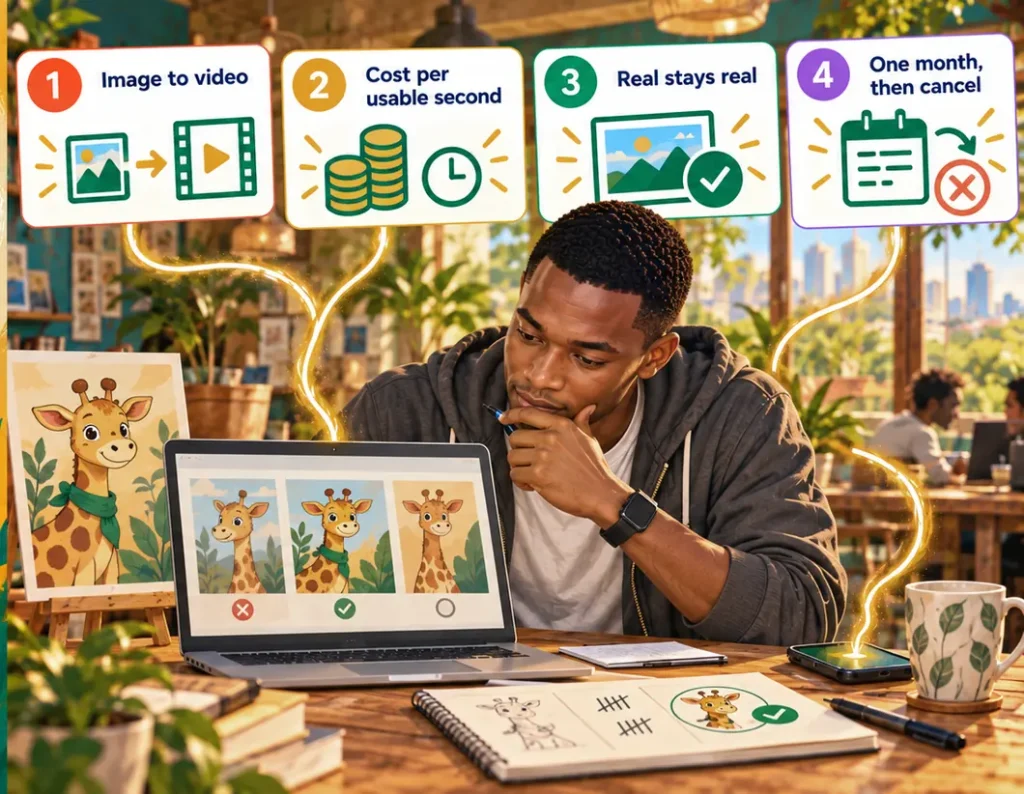
By the end of this chapter you will know the main kinds of video tools and what has changed in them: longer clips, generated sound, better movement. You will be able to compare video tools by what one usable second really costs, not by their advertising, and decide when AI video is right for a job and when a phone camera is better.
The Sound of Trust — Voice and Music
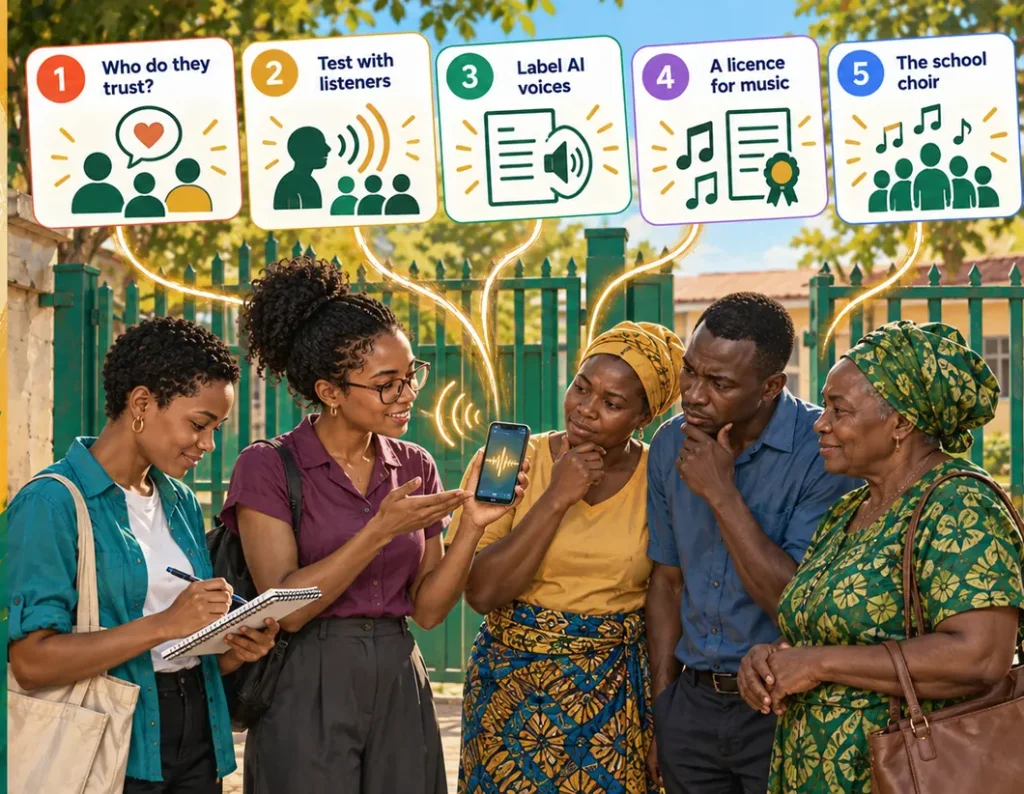
By the end of this chapter you will know where a voice and a piece of music can come from: a real person, a generated voice, a music library, an AI music generator or a local musician. You will know which questions decide between them, test a voice with real listeners, and check that the licence covers the way your client will use the sound.
The Ethical Edge — Avatars, Lip-Sync and Cloned Voices
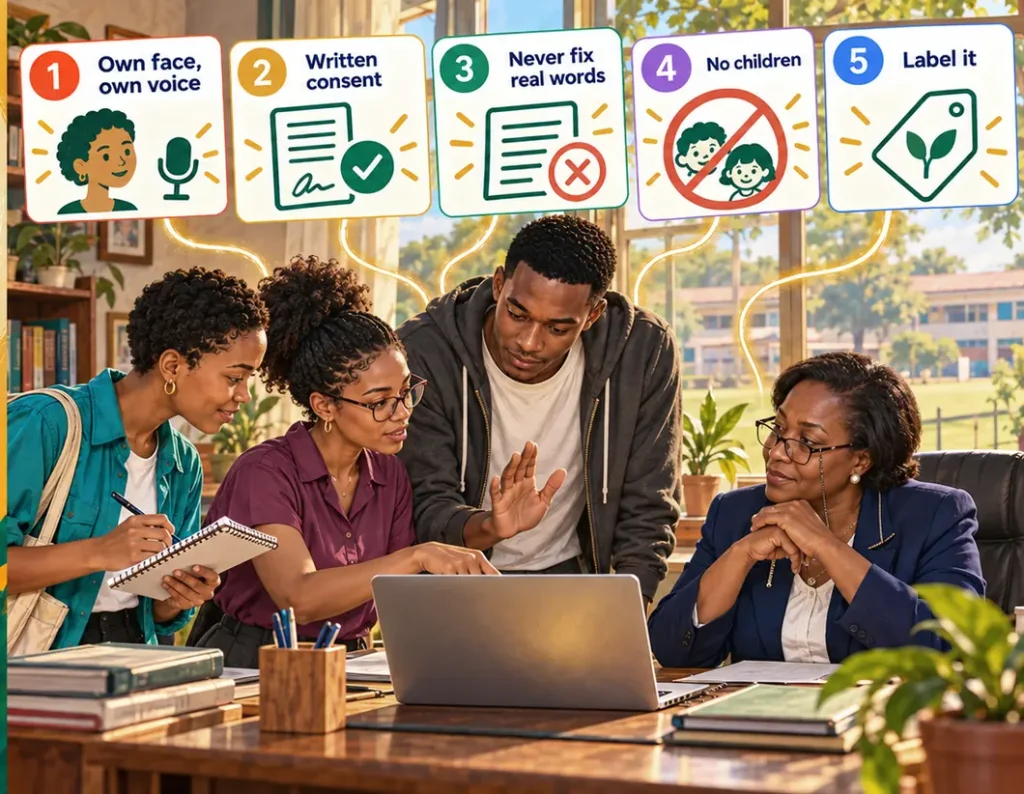
By the end of this chapter you will know what avatar, lip-sync and voice-cloning tools can do, and where the line runs between a useful tool and a deception. You will know when you need written consent, what you must never do whatever the tool allows, and how to label synthetic media so viewers know what they are seeing.
The Workshop — Platforms, Automation and Your Own AI Studio
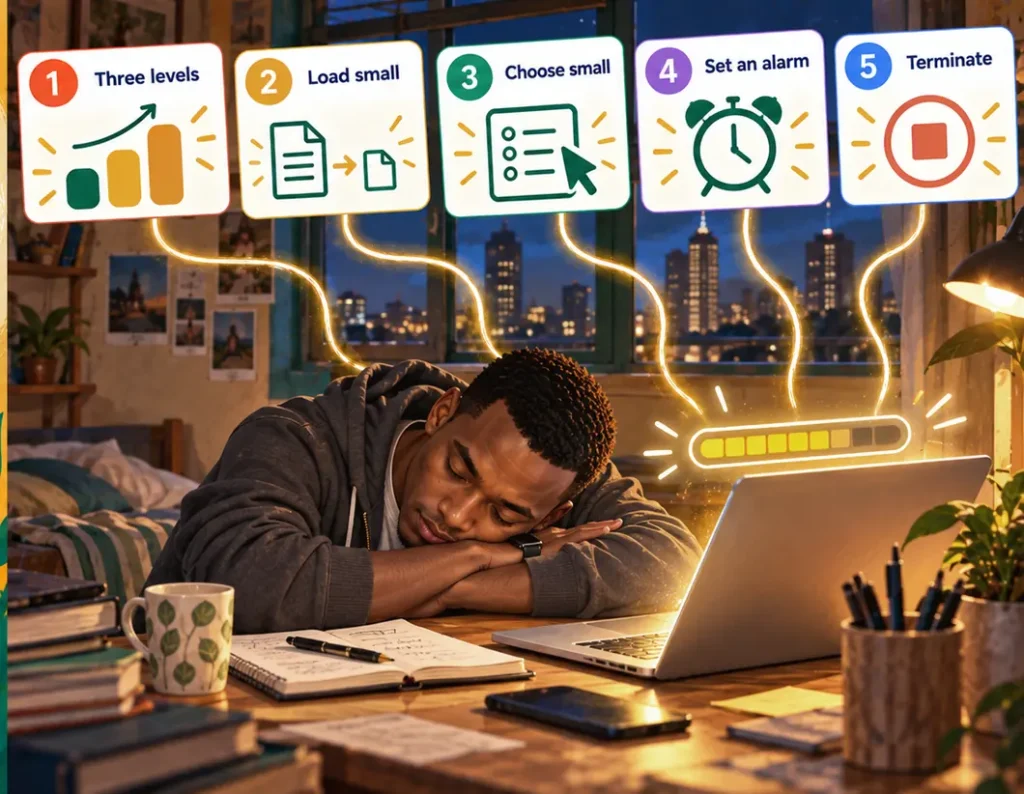
By the end of this chapter you will know the three levels of working with AI tools: ready-made apps, platforms that connect apps, and the open workshop where you run AI models yourself. You will know when each level pays off, what renting a powerful computer by the hour really costs, and how to keep that cost under control. At the end you will put all the tool costs of a project on one sheet for your offer.
The Production Pipeline
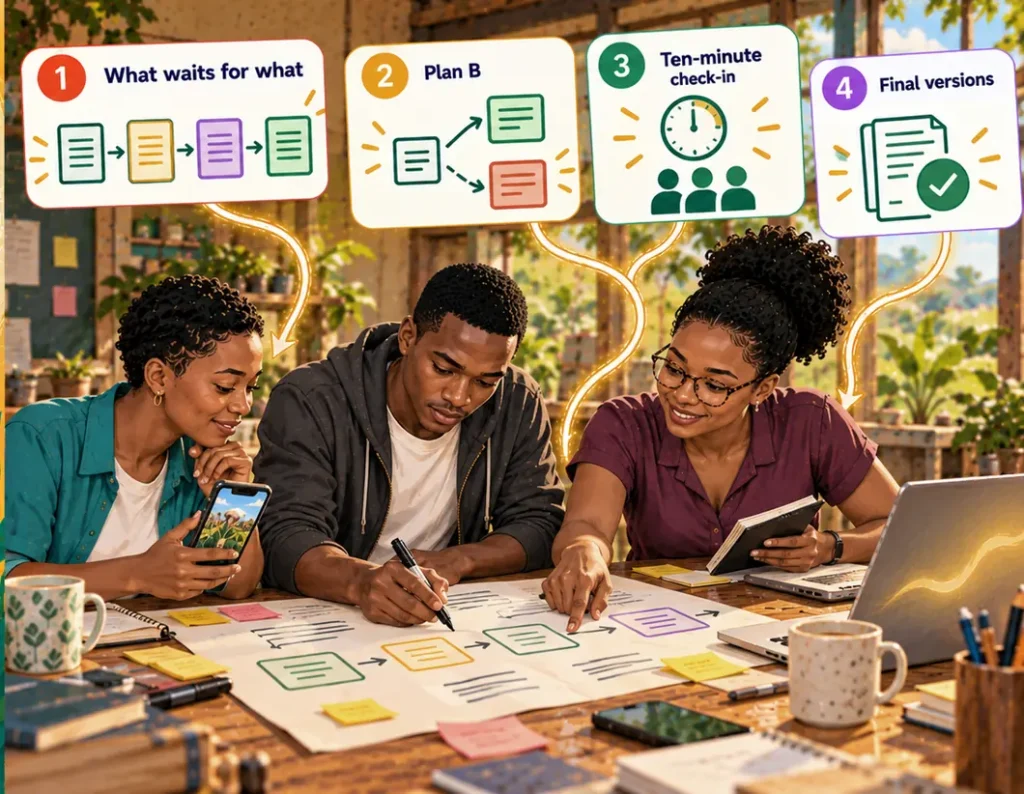
By the end of this chapter you will be able to run several pieces of work as one production: see what waits for what, find the step that can block everything, keep versions and approvals under control, let a change flow through all parts in the right order, and finish the work so it looks and sounds like one. You will build a task sheet that shows who waits for whom, use the version history in Google Drive, and give the film its final finish in CapCut.
Quality Control, Ethics and Launch

By the end of this chapter you will be able to check a complete production before it goes public: does it work, is it true, is it allowed? You will know the typical risks of AI-made work, how to handle rights, consent and personal data, how to make the work readable for everyone, who gives the final yes, and how to run a launch day and its first week. You will check accessibility with WAVE, check images with Google Lens, record consent with a simple form and plan the launch by the hour.
The Business of Creative Production
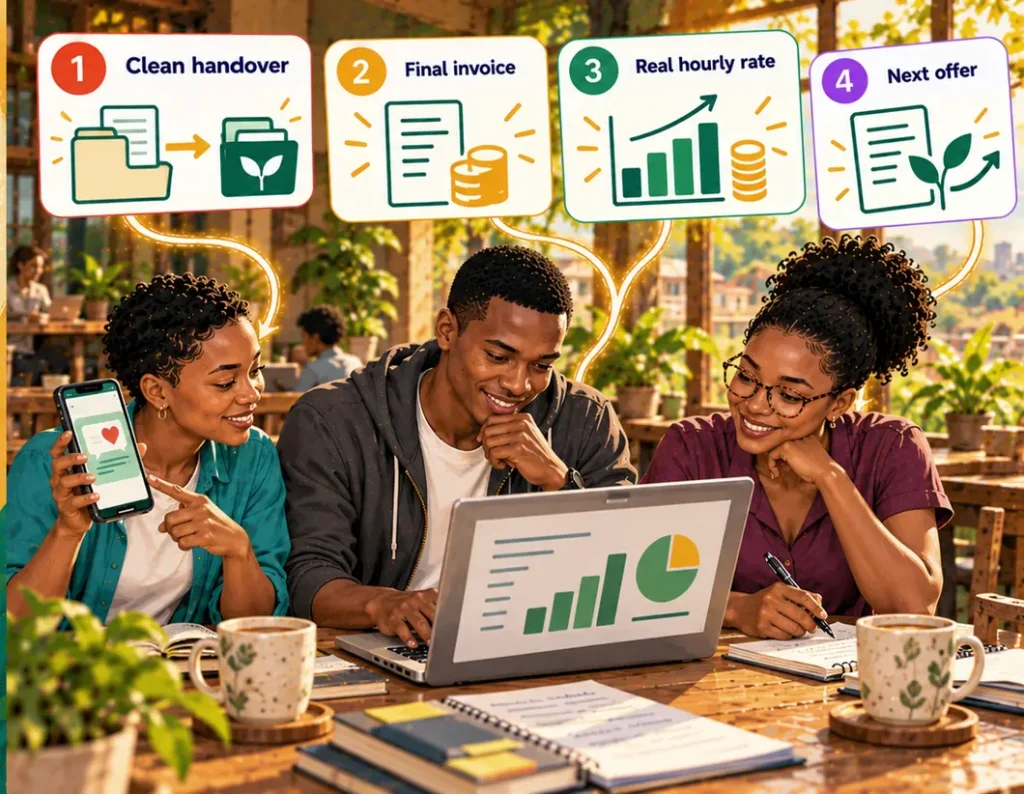
By the end of this chapter you will be able to close a project properly: hand it over so it keeps working without you, send the final invoice, and review what went well. You will calculate what you really earned per hour, estimate time including the invisible work, price your next project so it pays, present your work honestly, and decide how to work with others in future. You will hand over passwords safely with Bitwarden, record short guide videos with your phone, write an invoice from a template and build a case study for your portfolio.
Publishing, Community and Growth
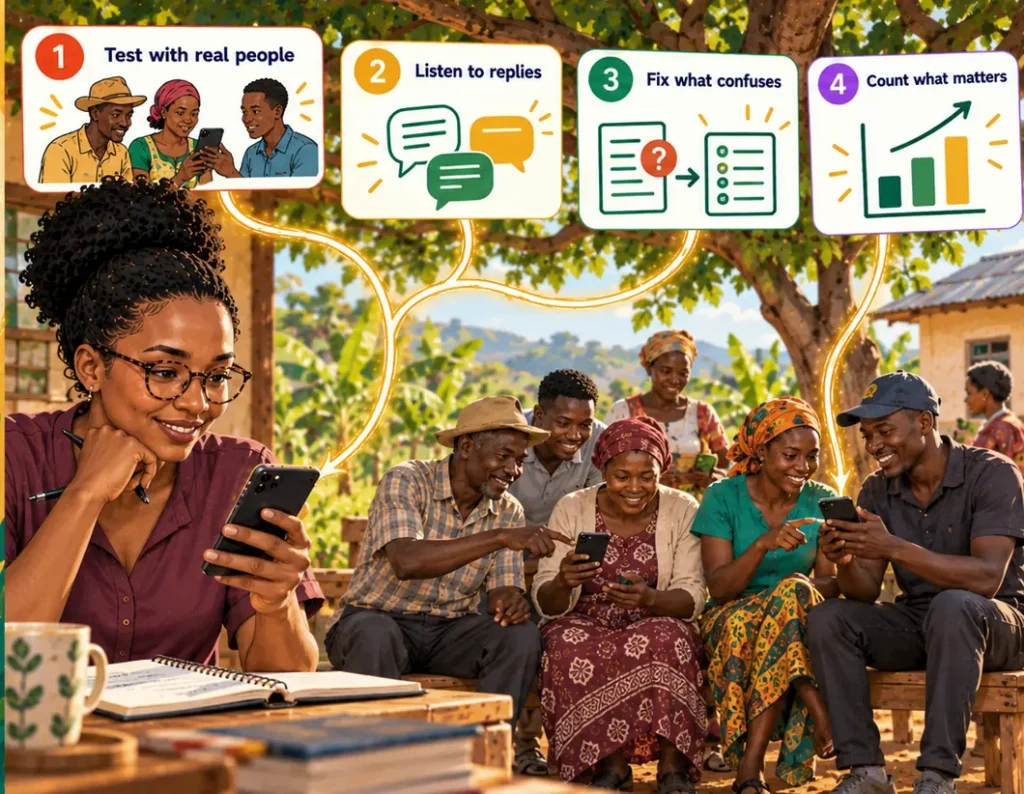
By the end of this chapter you will know that publishing is not the end of the work but the start of an experiment. You will test content with a small real audience before a big launch, prepare clear rules for answering comments and messages, read the numbers in Meta Business Suite and on the website without being fooled by the big ones, and change your plan based on evidence.
Three Skills, One Project
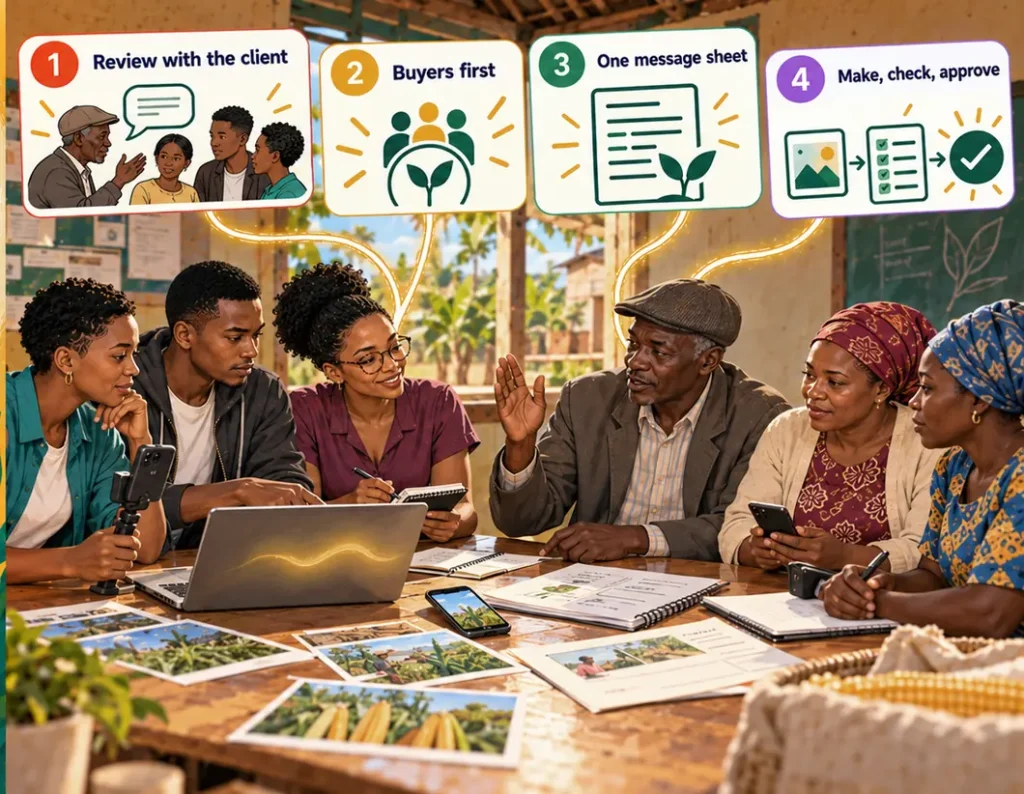
By the end of this chapter you will know how to bring work that was made in parallel together into one production. You will prepare and run a review with the client, handle a change request without chaos, keep one source of truth for everything the client says publicly, and make clear who does what and who approves what. You will set up the review folder, the message sheet and the roles table with the free tools you already know.